
Contact Us
Blog

Best Homeschool Math Curriculum for Dyscalculia
Consistent Routine
As a dyscalculia tutor specializing in math learning disabilities, I've seen firsthand how consistent support at home can accelerate progress. Using multi-sensory math teaching methods and a concrete-representational-abstract approach, students develop stronger mathematical understanding. To learn more about how multisensory math works, read our complete guide to multisensory learning. The new year brings fresh opportunities to establish supportive math routines at home, whether you're homeschooling or supporting a child who struggles with math in traditional school.
Optimal Timing
First, let's talk about developing math confidence through proper timing. One of the most important discoveries in helping children with math difficulties is identifying when they learn best. Math engagement and success in overcoming math anxiety can be significantly affected by hunger, fatigue, and time of day. Taking time to experiment and find those optimal learning windows shows your child that math is a priority while setting them up for success.
Multiple, Shorter Sessions
Many parents supporting students with dyscalculia ask me about the "perfect" routine for math practice. The truth is, there isn't one! Just as each student needs individualized math learning strategies, families need to experiment to find what works best for them. However, I've consistently observed that shorter, multiple daily sessions often work better than one long session for children with math learning disabilities. This approach helps manage fatigue and frustration, which are common obstacles in math learning. Try separating new material from review sessions - this gives your child time to process new concepts while keeping previously learned skills fresh.
Homeschool Curriculum Options
For homeschool math help, I recommend selecting a curriculum that includes built-in multisensory teaching strategies. When a child has dyscalculia, the curriculum itself needs to do more than present concepts — it needs to build understanding through concrete, hands-on experience before moving to abstract numbers and symbols.
Math-U-See is one of my top recommendations for students with dyscalculia. It uses integer blocks that double as base-10 blocks, giving students a physical, manipulative-based way to experience place value, operations, and more. Each concept is introduced concretely before moving to the representational and abstract stages — which aligns perfectly with the CRA method. Math-U-See is mastery-based, meaning students don't move on until they've truly understood a concept, which is essential for students who need more time and repetition to build solid foundations.
RightStart Math (https://rightstartmath.idevaffiliate.com/home) is another excellent choice for struggling learners. It centers around an abacus as its primary tool, building strong number sense and mathematical understanding through visual and tactile experience. RightStart's emphasis on quantity and relationships rather than rote memorization makes it particularly effective for students with dyscalculia who struggle with memorizing facts but can develop genuine understanding when concepts are presented concretely.
Both curricula share a commitment to building mathematical understanding from the ground up — which is exactly what students with dyscalculia need. When your student has reached the pre-algebra level, consider having them pursue their high school math credits with Denison Algebra.
For a deeper look at the concrete-representational-abstract approach these curricula are built on, read our guide to the CRA method for dyscalculia.
Do-It-Yourself Manipulatives
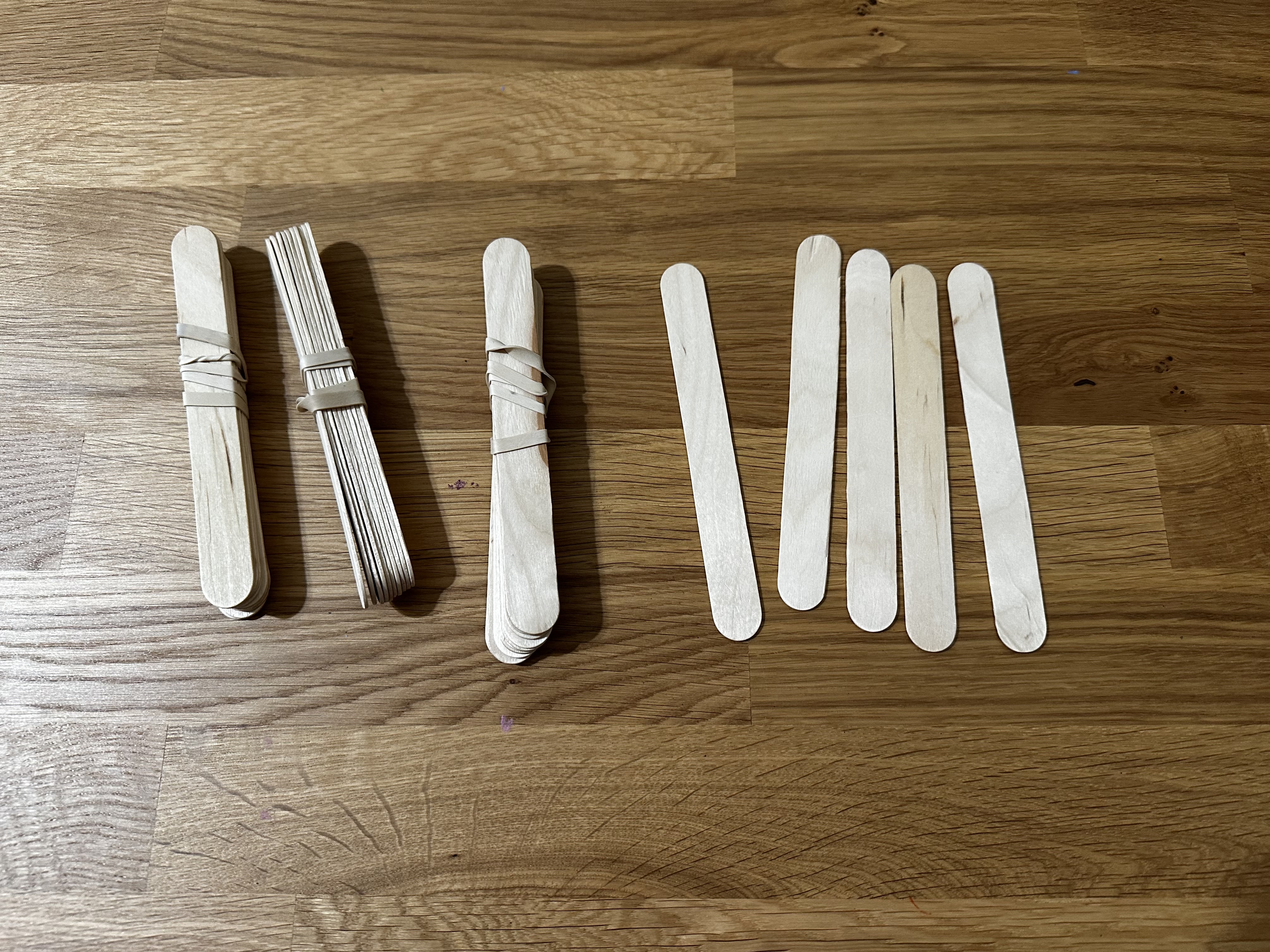
Whether you're homeschooling with a different curriculum or supporting a child with math difficulties in traditional school, you can easily incorporate math learning aids at home. You probably already have excellent math manipulatives for learning disabilities around your house! Coins can serve as base-10 blocks, Legos can demonstrate number bonds, and popsicle sticks bundled in groups of ten make excellent place value tools. Even a simple string of beads can become a rekenrek for counting practice.
Model Lifelong Learning
If you're feeling uncertain about implementing dyscalculia teaching strategies, especially if math wasn't your strong subject, remember: while this approach might feel foreign at first, it's the way your child learns best. Many parents discover that these concrete, hands-on methods help them understand mathematical concepts better too!
A Fresh Start
As we step into the new year, remember that this is the perfect time for fresh beginnings in math support at home. Whether you're just starting to help a child with dyscalculia or looking to establish more consistent math routines for struggling learners, each small step forward matters. Together, you and your child can develop stronger mathematical understanding, one concept at a time.
Looking for Support?
Want to learn more about supporting your child's unique math journey and implementing effective dyscalculia support strategies? Visit dyscalculiamathtutor.com to book a free 30-minute parent consultation. I'd love to help you develop strategies tailored to your child's specific math learning needs and style. Let's make 2025 the year your child builds confidence in mathematics!

We love hearing from families who are ready to take the next step in supporting their child's math journey. Whether you have questions about dyscalculia, want to learn more about our multisensory approach, or are ready to schedule a free consultation, we're here to help. Every family's situation is unique, and we look forward to learning about yours.


